



Engineering design of internal utility networks is a stage without which it is impossible to properly build any modern facility. It is at this stage that specialists determine how heating, ventilation, electricity, water supply, and other engineering systems will function in the building. In addition, they consider the location of technical rooms, risers, and equipment connection points. The possibility of laying networks inside walls, floor slabs, or special technical shafts is also assessed.
If the networks are designed correctly, they will operate reliably for many years. If the project is prepared hastily, problems may arise in the future: overloaded electrical networks, low water pressure, noisy ventilation, or difficult access to equipment. In some cases, this may even lead to the need for partial rework of repairs that have already been completed. In addition, the improper placement of utilities makes future maintenance more difficult.
That is why the engineering design of internal utility networks for facilities is carried out before the installation of communications begins. Specialists analyze the layout of the premises, technical requirements, and loads, and then prepare technical solutions for all systems. The possibility of connecting to existing city networks or autonomous sources is also checked. As a result, a technical scheme is created that defines the placement of the main nodes of engineering communications.
At our company, DesignProf, you can order engineering design services in Kyiv for apartments, private houses, offices, or commercial premises. You can ознакомиться with examples of completed projects in the “Office Design” section, where a portfolio of completed works is collected. This will help you understand our approach to planning engineering systems in different types of buildings. The portfolio includes examples of projects for residential and commercial properties of various sizes.
What the engineering design of internal utility networks includes
The engineering design of internal utility networks is a set of technical solutions that determine the location and operating principle of all communications in a building. The project is needed not only for installation but also for the correct selection of equipment. In addition, it makes it possible to assess the scope of future installation works in advance. It also helps avoid unnecessary expenses on materials and equipment.
During the work, specialists perform:
- analysis of the facility layout and its technical parameters;
- engineering design of internal utility networks for facilities in compliance with building standards;
- selection of equipment and materials;
- hydraulic and electrical calculations;
- development of project documentation for internal utility networks.
As a result, the customer receives a complete set of drawings, diagrams, and technical explanations. Guided by these documents, builders can carry out installation without additional clarifications. This significantly reduces the time required for work at the facility and decreases the number of technical errors. The project is also used as a technical reference during the procurement of equipment and materials.
You can learn more about all the company’s services on our website. It contains the main areas of design and related works performed by our team of specialists. The “Services” section presents a list of works that may be needed at different stages of project preparation and implementation.
How the engineering design of facility networks is carried out
The engineering design of facility networks is carried out step by step. This makes it possible to take into account all technical nuances even before construction work begins. Each stage is coordinated with the customer to avoid misunderstandings during project implementation. This approach allows solutions to be adjusted at the documentation development stage. Usually, the process consists of several steps:
- Collection of initial data and preparation of the technical assignment.
- Analysis of the building’s architectural drawings.
- Calculation of loads on water, heat, and electricity distribution systems.
- Development of utility routing schemes.
- Preparation of drawings and technical explanations.
- Delivery of the completed project to the customer.
At this stage, it is important to consider all the features of the facility. For example, in an apartment, the compact placement of equipment is important, while in commercial premises, the stability of system operation under high loads is critical. The possibility of further maintenance of engineering systems is also taken into account. This is especially important for equipment that requires regular technical servicing and monitoring.
Very often, engineering solutions are developed in parallel with the planning of the premises, for example, during the preparation of a space-planning solution or when creating a design project.
This approach makes it possible to coordinate the interior and the engineering systems from the very beginning. As a result, electrical outlets, ventilation ducts, and other elements do not interfere with the room’s design. Ultimately, the engineering systems remain functional and unobtrusive in the interior.
What should be considered during design
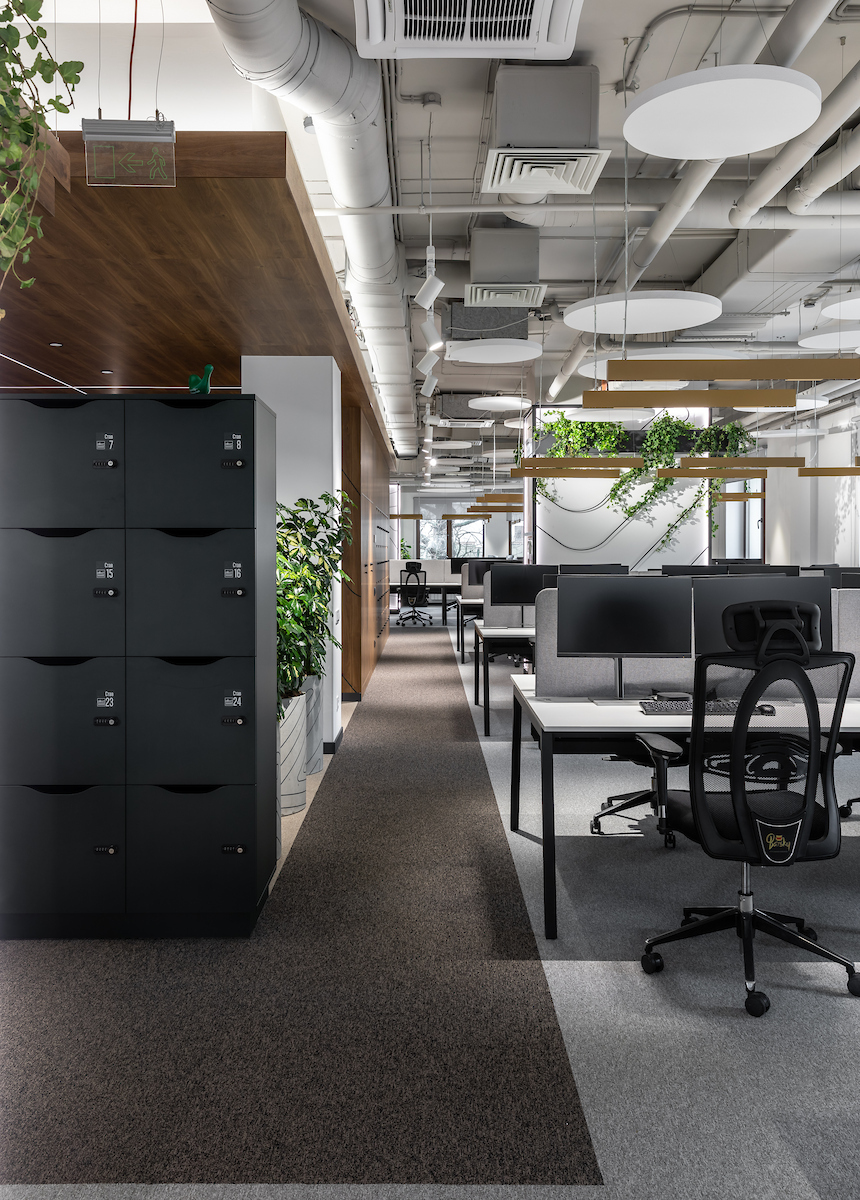

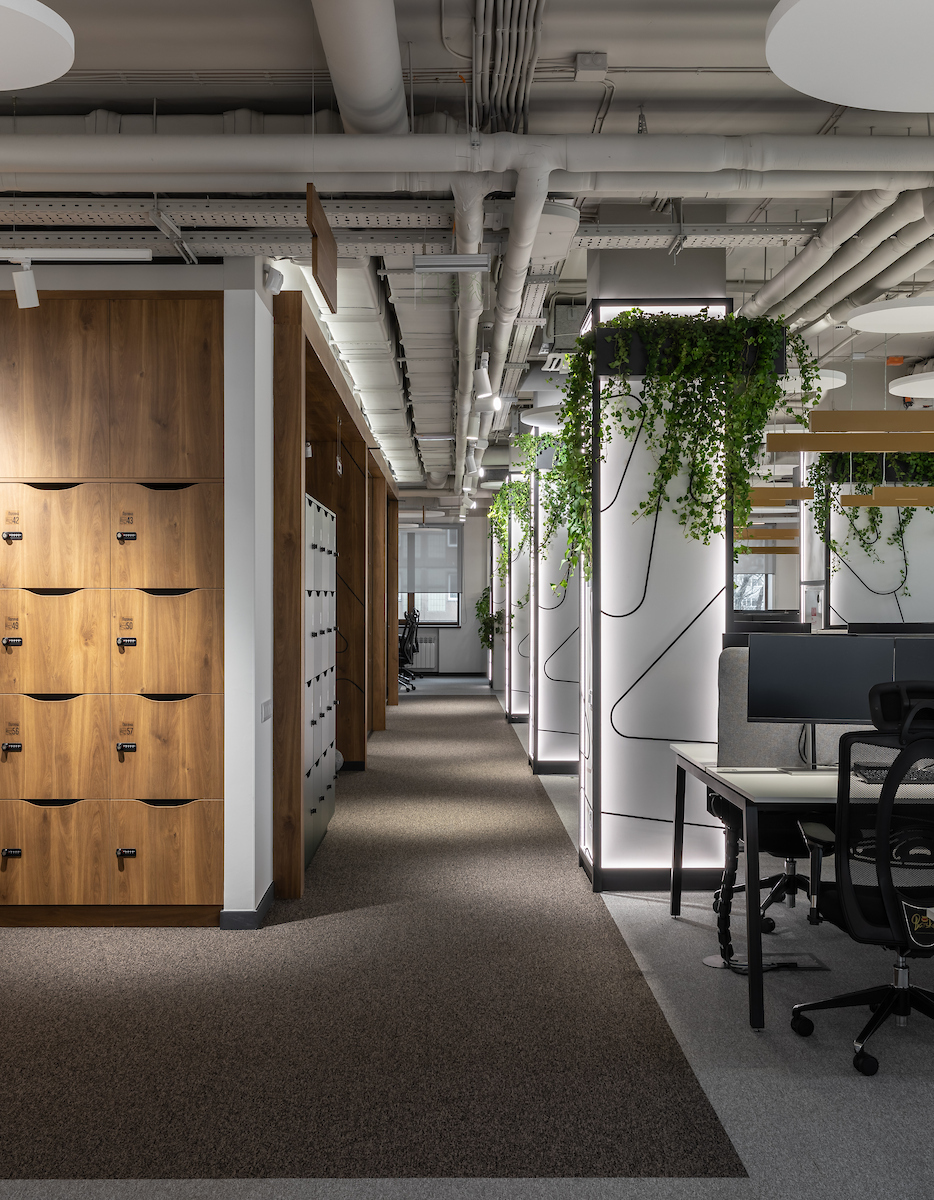
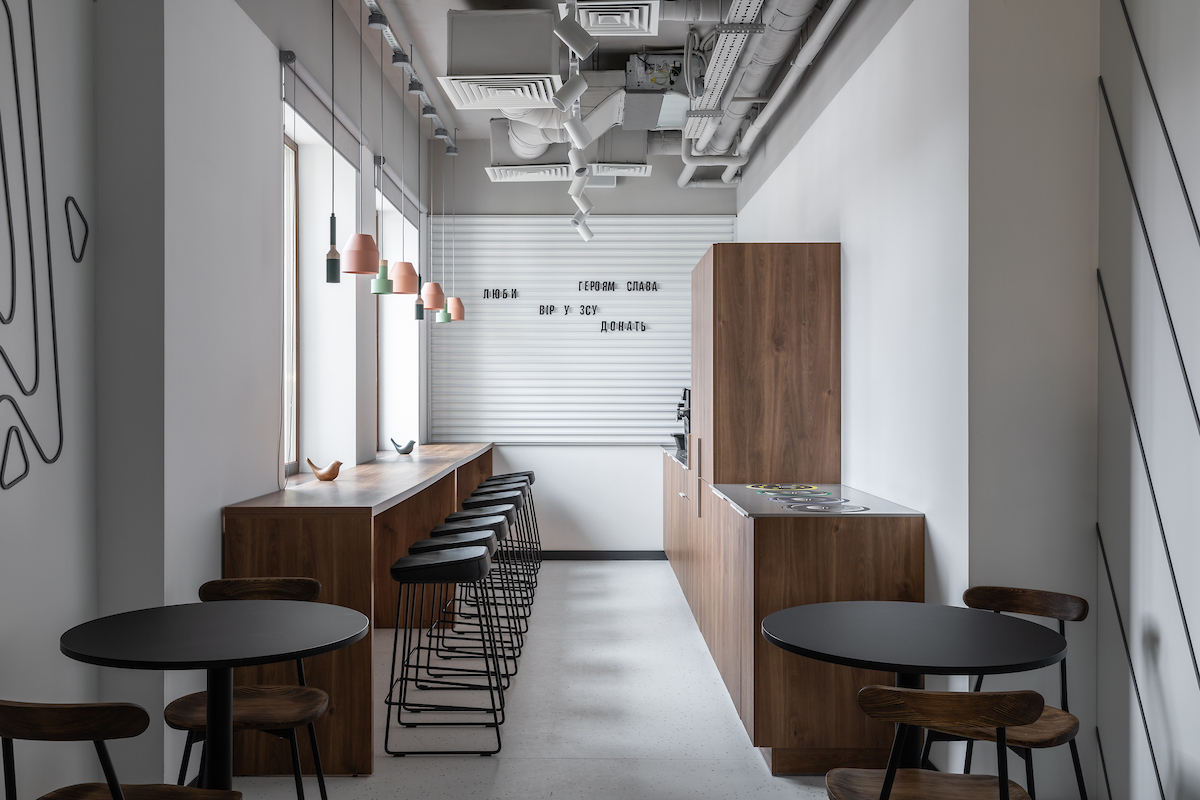


The design of internal utility networks in Kyiv often involves additional nuances. Many buildings are connected to existing city utilities, so it is important to correctly calculate the loads and connection capacities. Sometimes it is also necessary to keep in mind the limitations of the building’s old engineering systems. The requirements of local technical services and utility providers must also be taken into account. When preparing the project, the following are considered:
- technical conditions for connection to city networks;
- the building’s power supply parameters;
- features of ventilation and air conditioning;
- the possibility of equipment maintenance;
- safety requirements.
Proper design helps avoid situations where part of the utilities has to be redone after the renovation is complete. That is why engineering solutions should be carefully planned before the start of work. This is especially relevant for apartments in new buildings and for the reconstruction of older properties. In such cases, the project makes it possible to adapt new systems to the building’s existing infrastructure.
The cost of engineering design and how to order a project
Before work begins, many customers are interested in what the project price depends on. In fact, the cost of engineering design is always individual. The final calculation is made after analyzing the technical assignment and the premises layout. The complexity of the engineering systems planned for installation at the facility is also taken into account. The following factors influence the cost:
- the area of the facility;
- the number of engineering systems;
- the complexity of the layout;
- the type of building;
- the need for additional calculations.
Usually, before work begins, a preliminary price list is prepared, which includes all the necessary works. After the technical assignment is approved, specialists start developing the project. This allows the customer to understand the budget of the future works in advance. If necessary, the list of works and required materials may be уточнён after a detailed analysis of the facility.
If you need to order a project for internal utility networks of facilities, we recommend preparing the premises plan and technical requirements in advance. This will help start the work faster and prepare accurate project documentation. In some cases, technical conditions from utility service providers may also be required. The availability of these documents significantly speeds up project preparation.
Properly executed engineering design of internal utility networks makes it possible to avoid unnecessary expenses during installation and ensures the stable operation of all building systems for many years. In addition, a carefully thought-out project simplifies the further maintenance of engineering equipment. In the future, this helps to identify and eliminate possible technical faults more quickly.
Frequently Asked Questions About Engineering Design of Internal Utility Networks
Answers to common questions about engineering system design for apartments, private houses, offices and commercial premises in Kyiv.


